|
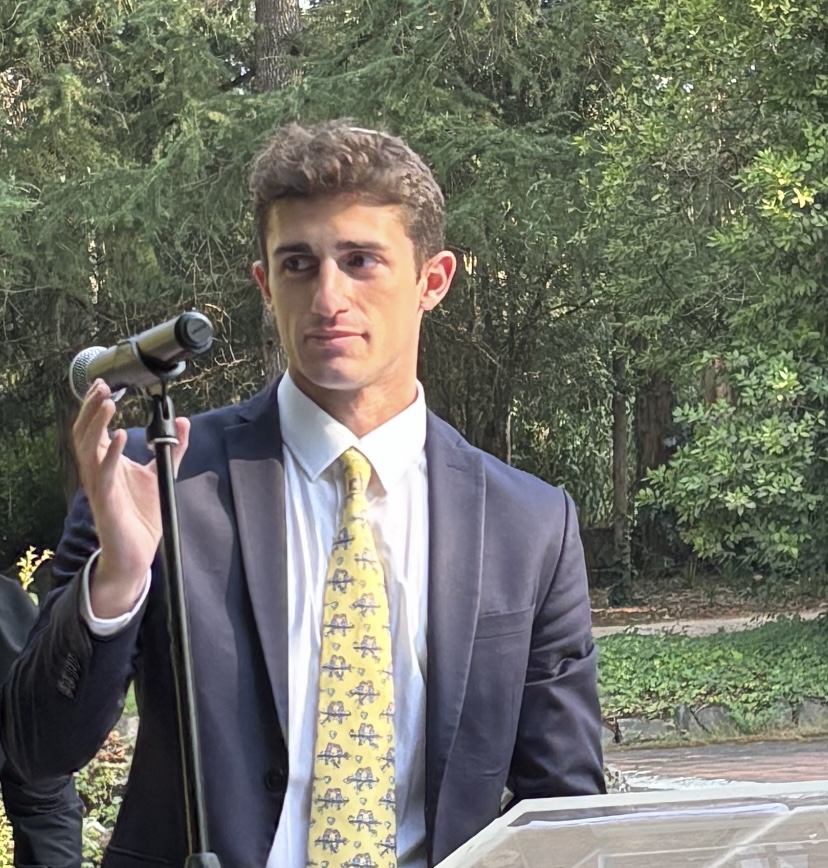
Jack Benarroch Jedlicki I'm a second-year Computer Science PhD student at Harvard University, working on embodied intelligence, supported by the “la Caixa” Foundation Fellowship and the Harvard Prize Fellowship. Previously, I earned two bachelor's degrees in Mathematics and Physics at the University of Barcelona. During that time, I worked on computer vision and digital twins at the Alaa Lab at UC Berkeley, on topology-informed generative models at the Computer Vision Center, and on tensor networks for efficient physics simulations at the Barcelona Supercomputing Center. Before that, I also worked on sensing and imaging techniques at MIT's Auto-ID Lab. |
|
ResearchI’m interested in embodied AI, especially robot manipulation, memory, and long-horizon reasoning. |
|
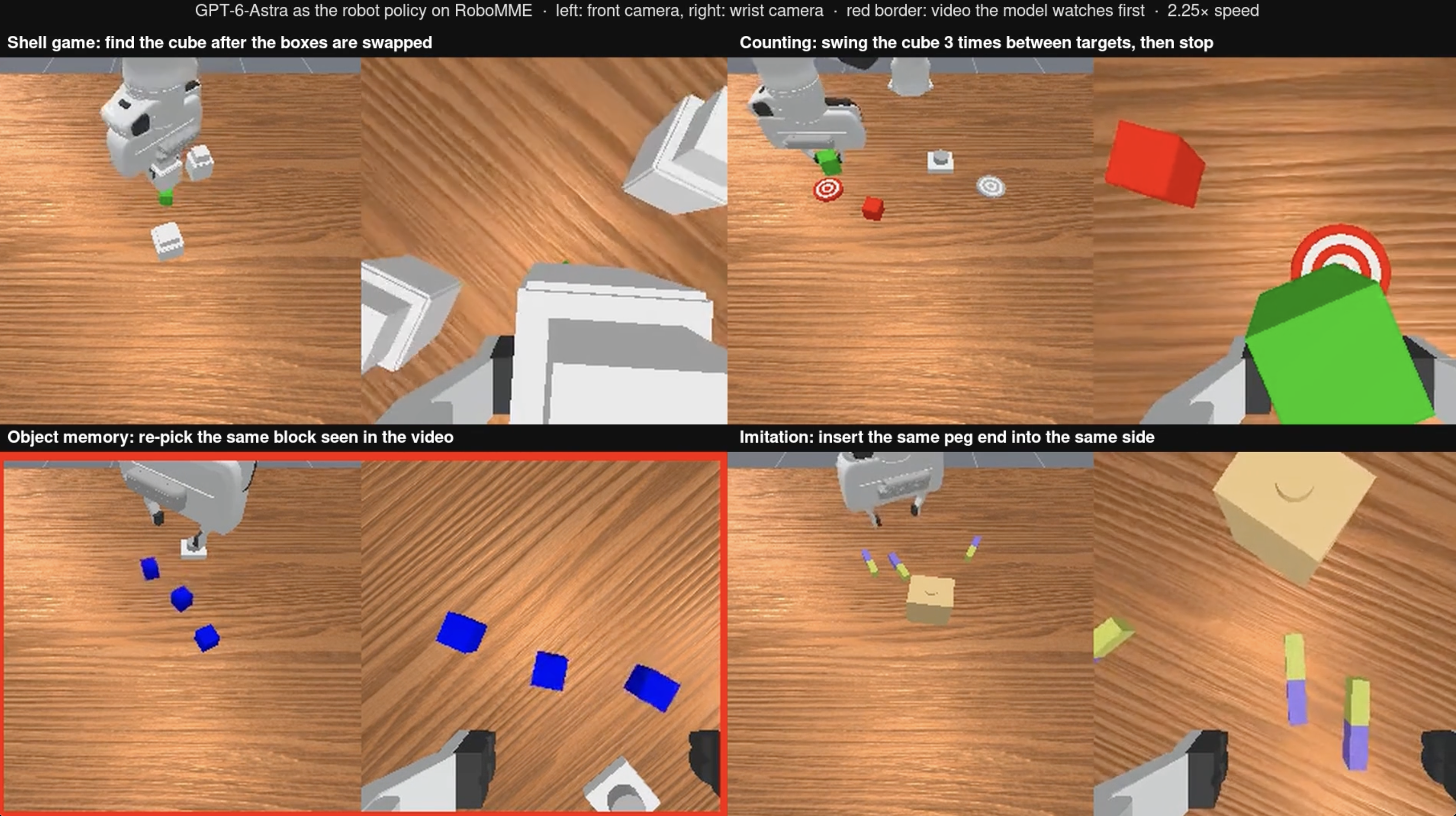
Can a Frontier VLM Serve as a Robot Policy for Memory-Dependent Manipulation?
Jack B. Jedlicki*, Amish Sethi, Heng Yang arXiv preprint, 2026 We turn GPT-6-Astra into an embodied agent by connecting it to a simulated Franka arm through a simple harness. On RoboMME’s 16 memory-dependent tasks, it reaches a 92.1% success rate, surpassing human performance (90.5%) and well above the best leaderboard score (60.8%). |
|
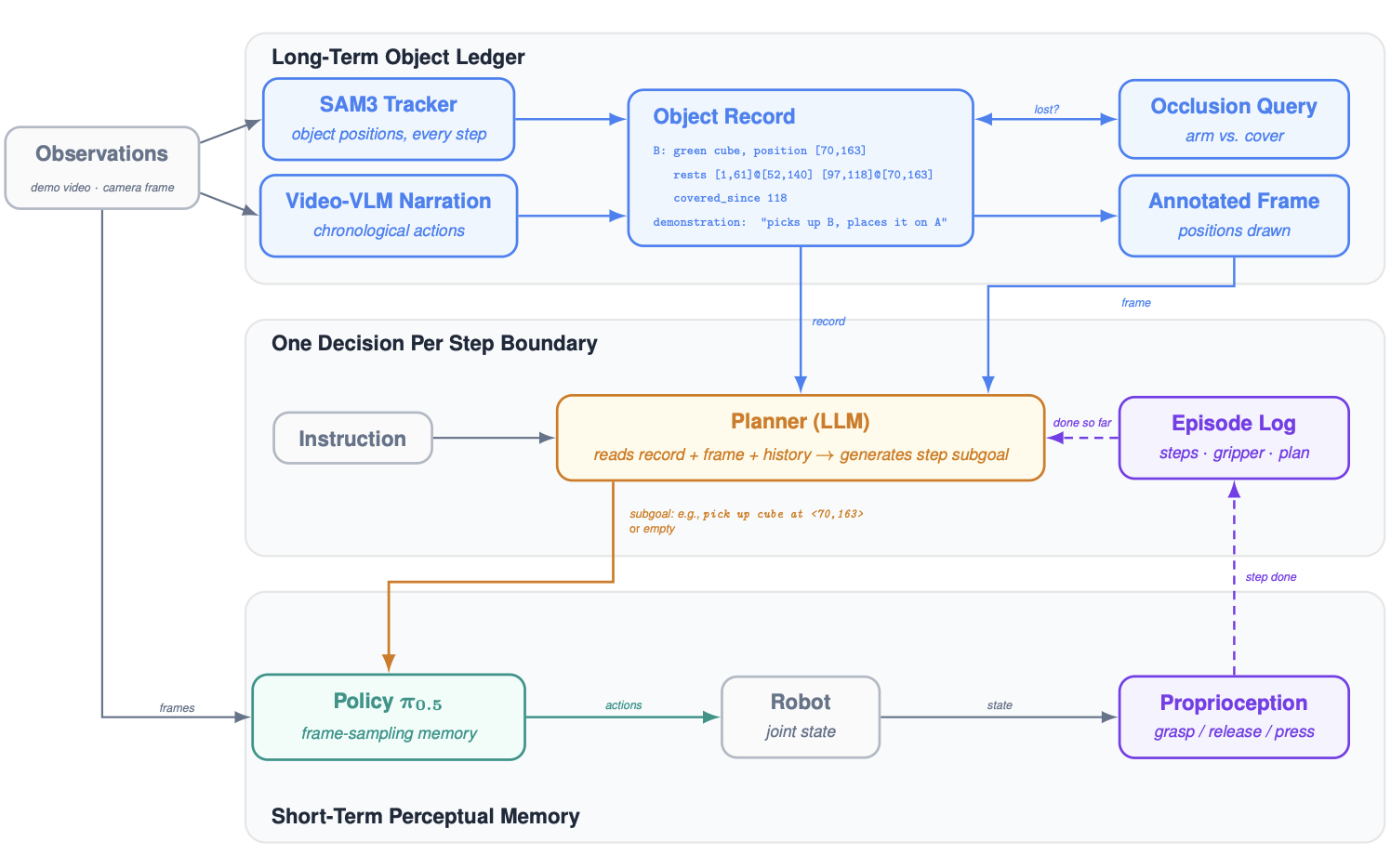
Where Memory Belongs: Ledger, an Object Ledger for Memory-Augmented VLAs
Tanguy Dieudonné*, Jack B. Jedlicki*, Heng Yang NeurIPS 2026 Workshop on Embodied Spatial Reasoning, 2026 We show that a hybrid design, keeping short-term perceptual memory inside the policy and moving long-term object memory to an external, readable object ledger, reaches a 64.3% average on RoboMME, well above the previous state of the art (60.8%). |
|
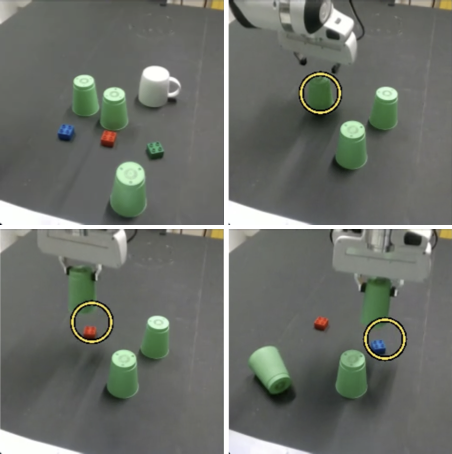
OCC4M: Object-Centric 4D Memory for Spatiotemporal Reasoning in Long-Horizon Manipulation
Jack B. Jedlicki, Tanguy Dieudonné, Heng Yang IROS 2026 Workshop on Hybrid Architectures for Embodied Autonomy (Spotlight) NeurIPS 2026 Workshop on Embodied Spatial Reasoning, 2026 We design a memory-aware embodied agent following Occam’s razor: remove memory from the policy and give it only to the high-level planner. Our system outperforms memory-conditioned policies and VLMs that reason over raw frame history in both simulation and real-world experiments. |
|
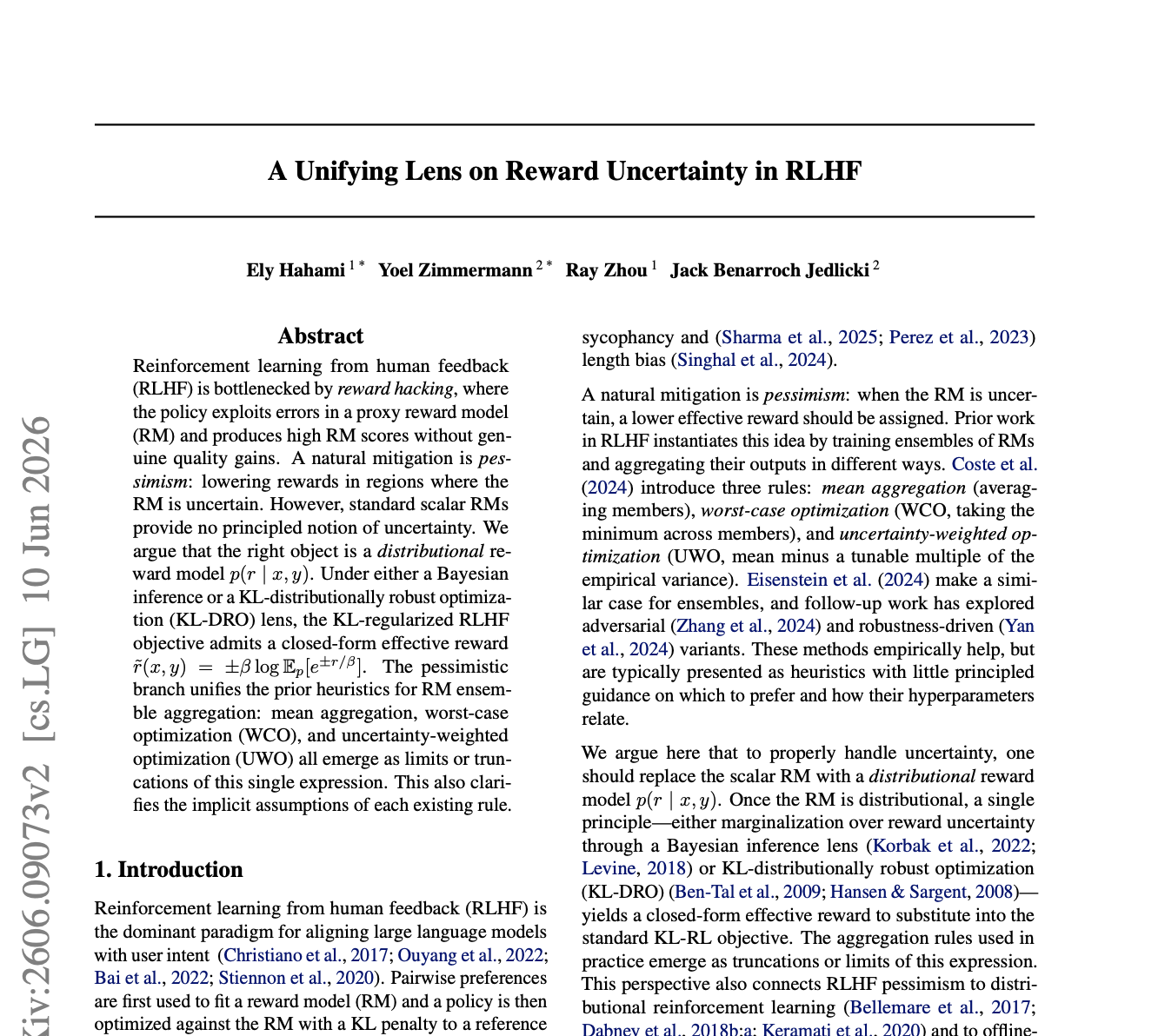
A Unifying Lens on Reward Uncertainty in RLHF
Ely Hahami, Yoel Zimmermann, Ray Zhou, Jack B. Jedlicki arXiv preprint, 2026 Distributional reward models that express uncertainty, showing that common ensemble aggregation rules (mean, worst-case, uncertainty-weighted) are special cases of a single expression. |
|
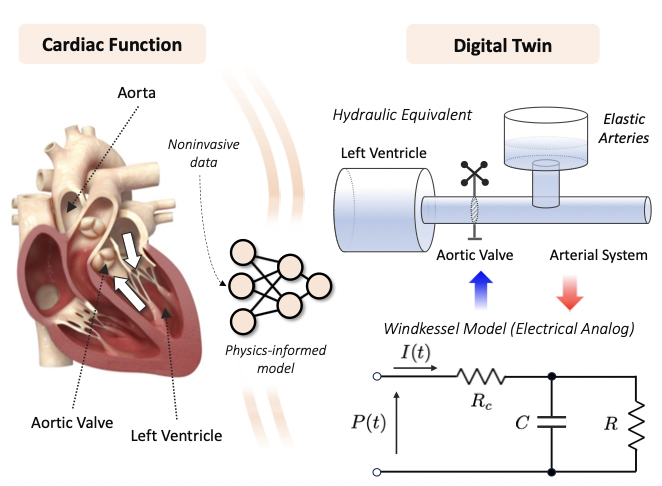
Med-real2sim: Non-invasive medical digital twins using physics-informed self-supervised learning
Keying Kuang*, Frances Dean*, Jack B. Jedlicki*, David Ouyang, Anthony Philippakis, David Sontag, Ahmed Alaa NeurIPS, 2024 Generation of digital twins of the cardiovascular system using computer vision and physics-informed neural networks. |
|
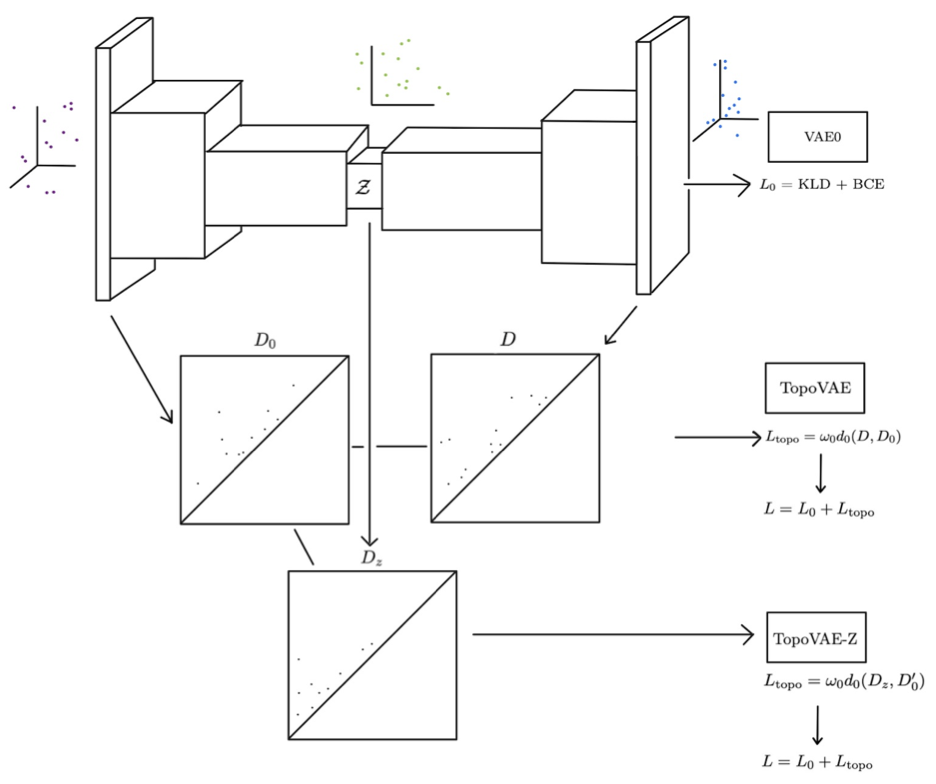
Topogen: topology-informed generative models
Jack B. Jedlicki Mathematics Bachelor's Thesis, 2024 Introduces new methods for training generative models via differentiable topological regularizers, with novel proofs of differentiability and new connections between topology and generative modeling. |
|
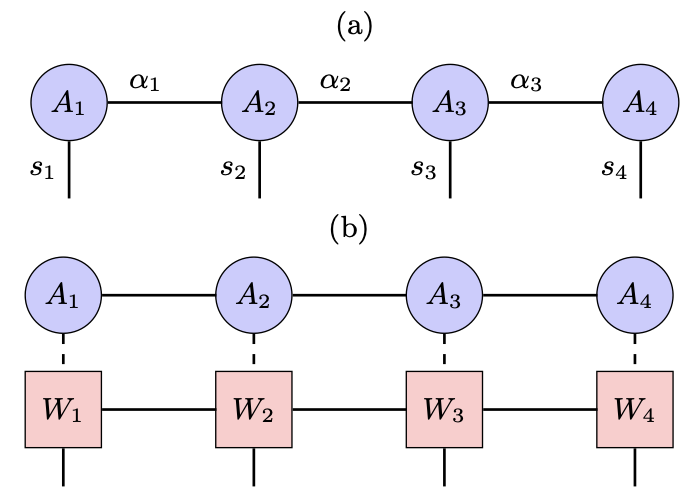
Tensor networks for quantum-inspired simulations
Jack B. Jedlicki Physics Bachelor's Thesis, 2024 Study and analysis of tensor-network–based quantum-inspired simulators, demonstrating empirically that they can outperform classical algorithms in accuracy while using significantly less memory, enabling the solution of memory-intensive problems without quantum hardware. |
|
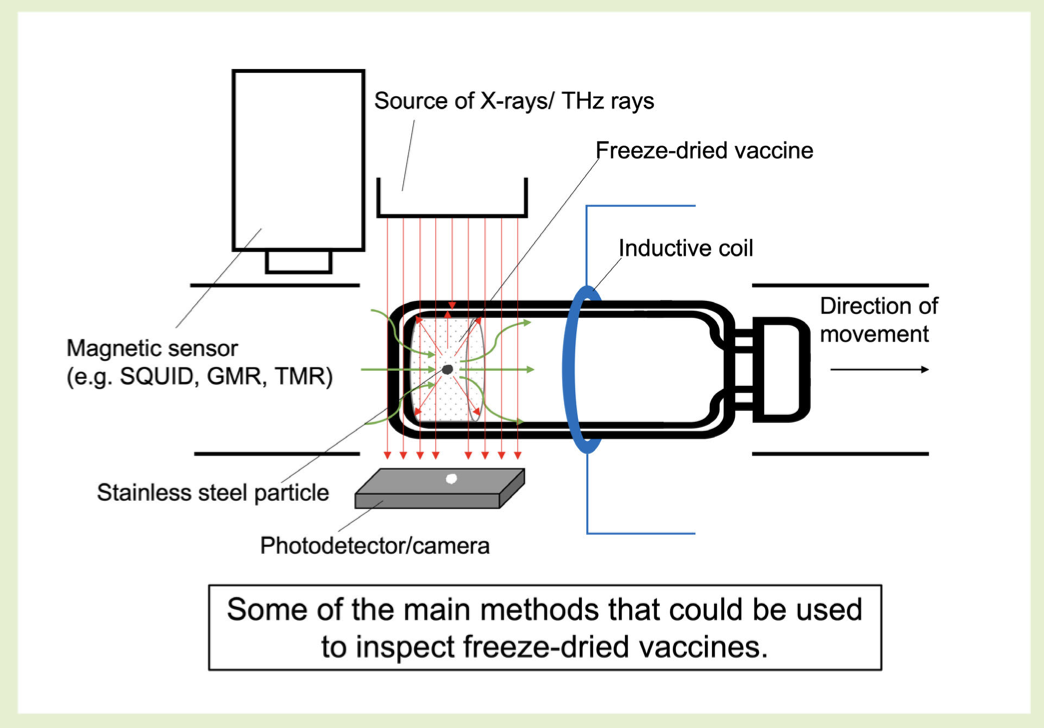
Metal particle detection methods and their use for freeze-dried vaccine inspection: A review
Jack B. Jedlicki, Denise Tellbach, Brian Subirana IEEE Sensors Journal, 2023
Sensing and imaging techniques for metal particle detection in freeze-dried vaccines. |
Additional ProjectsSome projects done in courses @ Harvard or MIT. |
|
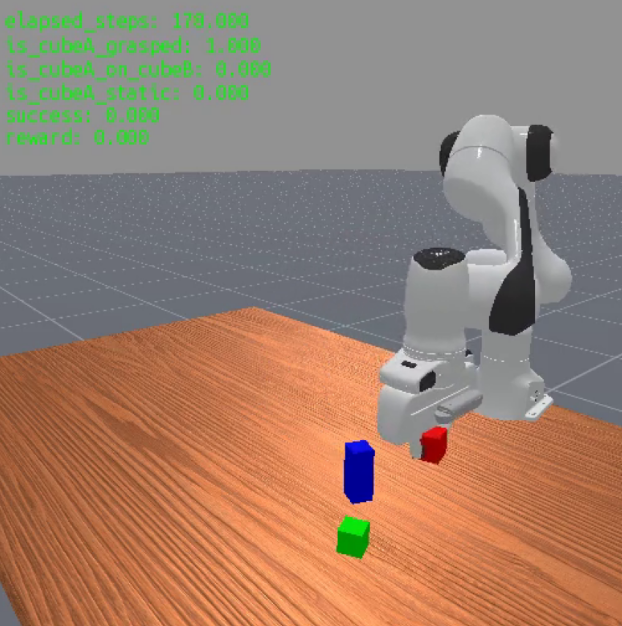
Diffusion Policy: Is scaling all you need?
J. B. Jedlicki, K. Chattopadhyay Final project for MIT 6.4212: Robotic Manipulation , 2025 Experimental study of the generalization and scaling behavior of diffusion policies under distribution shifts, including novel object configurations and obstacle-rich environments. |
|
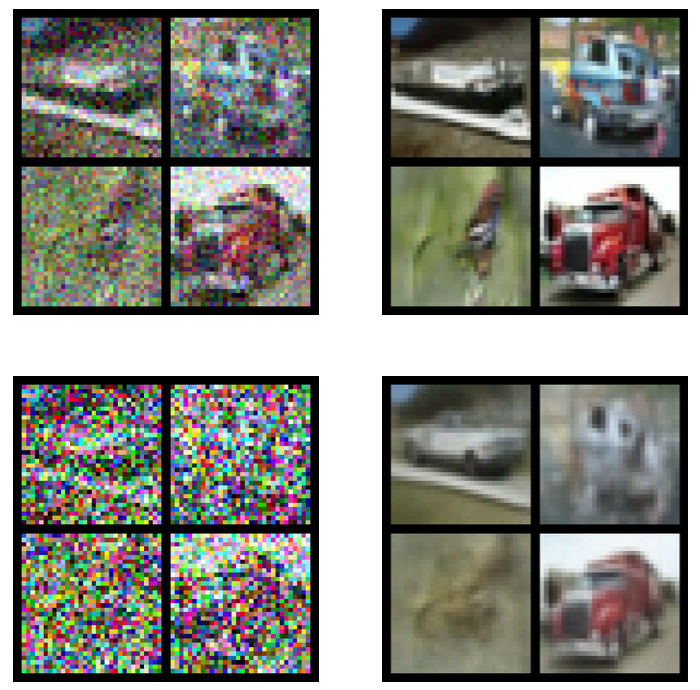
Are OT-aligned flows what you need?
J. B. Jedlicki, M. Letey, P. Nair, P. Nielsen, Y. Zimmerman poster Final project for Harvard CS 2840: Computational Optimal Transport for Machine Learning , 2025 Theoretical and experimental comparison of generative modeling approaches—including diffusion models, flow matching, and rectified flows—across image generation and robotic action generation tasks. We show that flow matching, unlike diffusion, enables one-shot inference for robot action trajectory generation. |